running to practice rage.
-
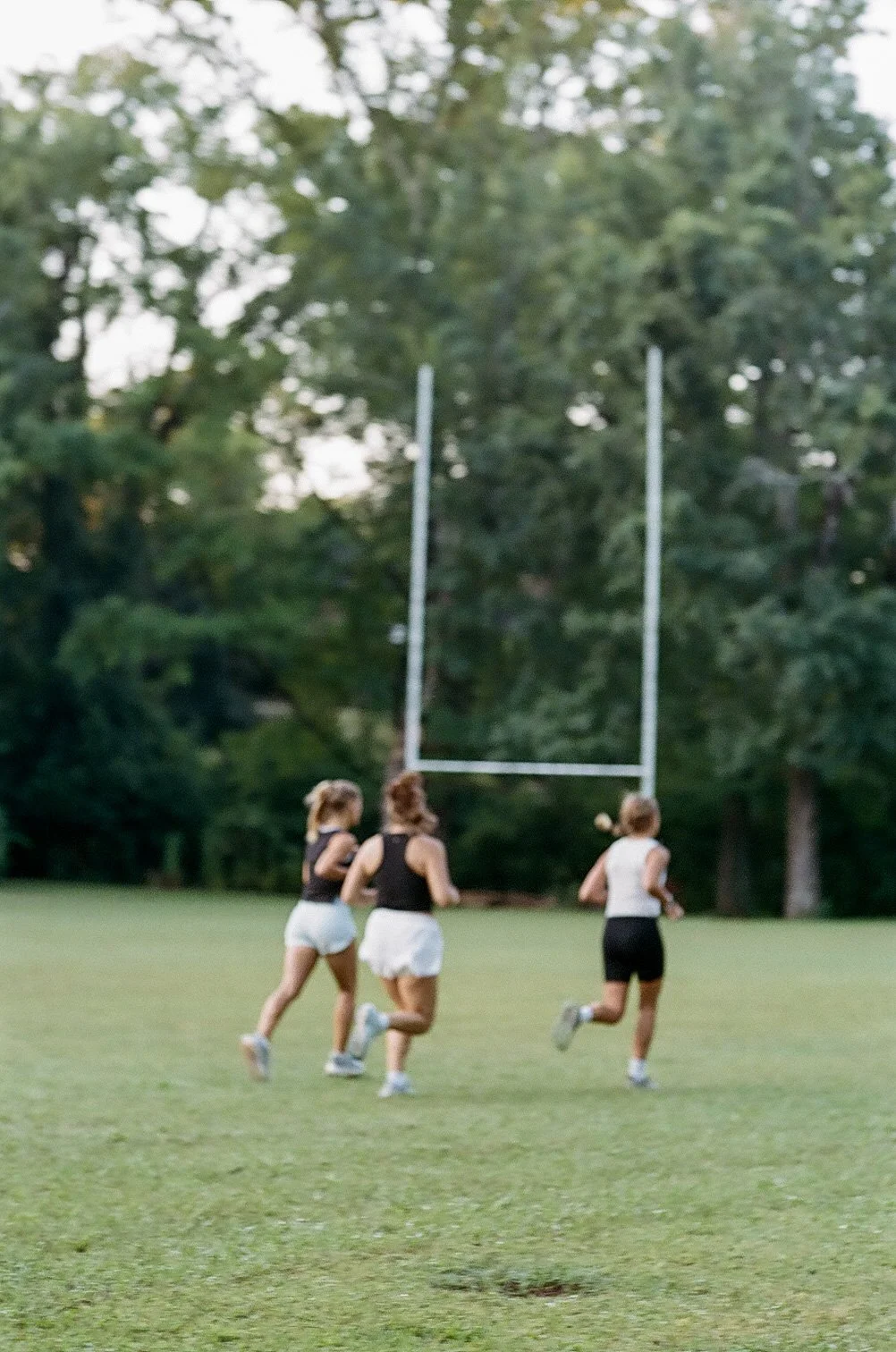
I love running for the ways it has helped me practice deep rest.
Or rather, I love intuitive running (Borden) for the ways it has helped me learn what deep rest feels like.
While rest and running might sound fundamentally contradictory, I don’t think this has to be the case. On its most immediate level, there is rest to be found in time spent outside, in listening whether it be to music or to birds, and feeling– feeling sun and wind on face; feeling connecting to landscape and to seasons, to breathing and to footfall; feeling either ease or effort.
A few steps deeper, intuitive running also gives me space to disentangle myself from the script of how I am supposed to be, creating space to simply be.
I think his is what feels restful about it. If you are willing to let go of the metrics of time and distance, then there is no correct way to be inside of a run; there is only feeling, body, movement, sometimes sweat, there is only checking in, noticing, breathing.
There is space for my mind, which is often whirring, to grow quiet. At the end of my most restful runs, I feel infinitely more connected to my vitality, my spirit, and my body than when I started.
And unsurprisingly, in disentangling myself from a linear, extractive, no-pain-no-gain kind of running, I have found other forms of linear extraction and objectification to feel increasingly dissonant. As if I have become attuned to a different way of being, and this old way feels increasingly off key.
With this in mind, I continue to pursue intuitive, restful movement, believing it to be a quiet form of resistance. Resistance against what, I am not always sure, but it feels important.
-
“Running to practice rest” was a year-long season of exploration.
What started as an attempt to create a “short film” to capture the felt experience of a restful run quickly morphed into a call and response community art project.
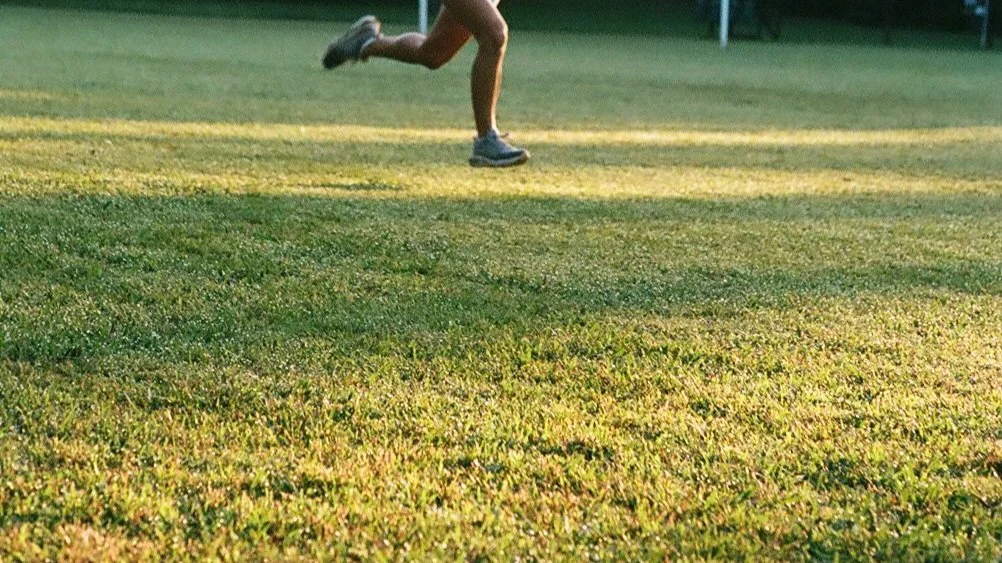
It started with the first film on this page, which, now that I am looking at it with fresh eyes is really an ode to running in the summer in the south.
And while creating the film was a creative exercise, and an example of community crowdsourcing (we had $0! It was great!) by the time it was done, I felt like we had only scratched the surface of “running to practice rest.”As so many of my favorite creative projects do, what started as a project that felt very personal to me and rooted in my experience began to open up and change as more people got involved.
I decided to use a similar process as I did in my November 12th project and put out an open call for people to capture their experience of a restful run rather than over-index on my own.
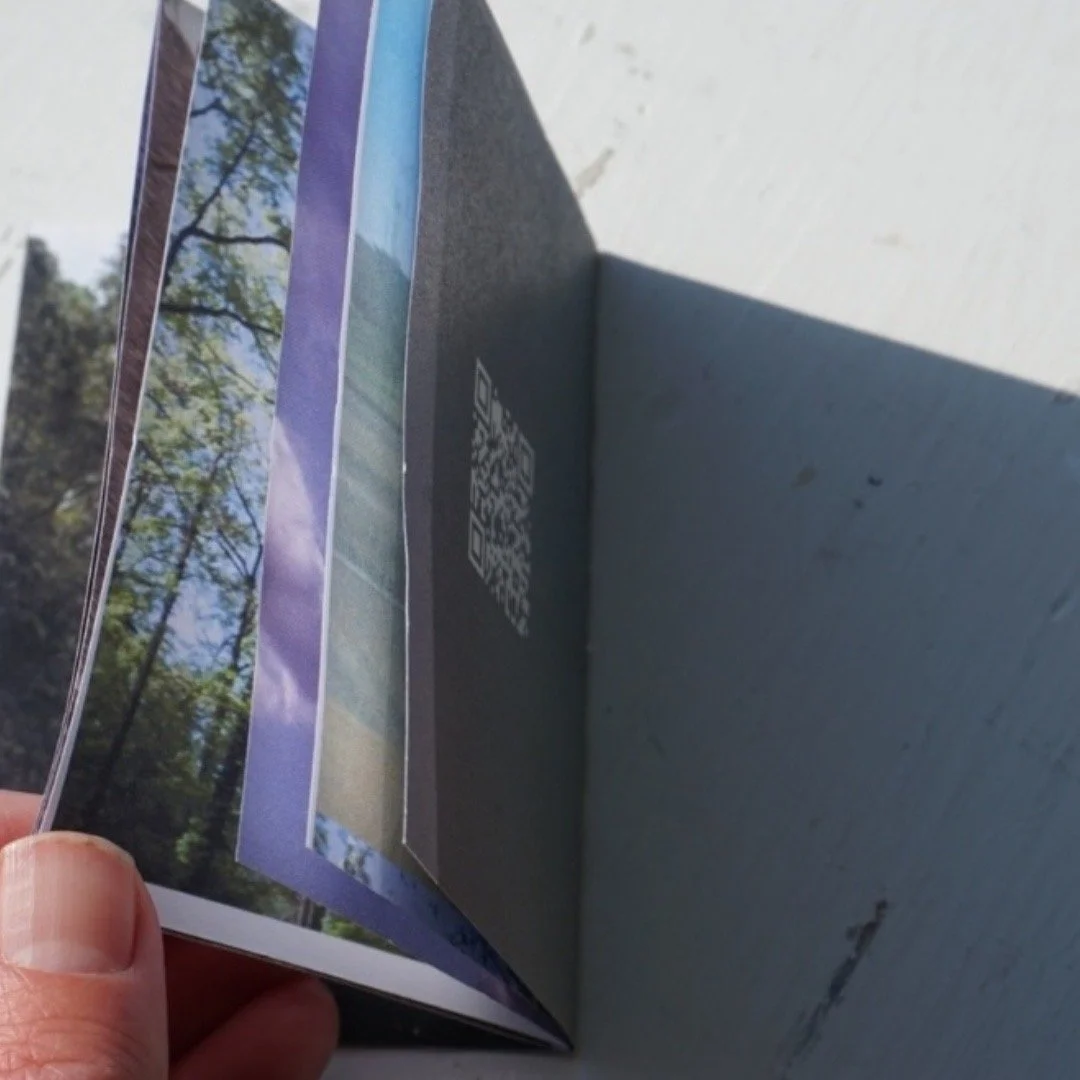
I put out the call, mostly on instagram. Anyone who was willing to share their mailing address received a disposable camera and a small zine with a creative prompt that essentially said, “document a restful run on this camera and send it back to me.” Thank you to 1504 for the generous sponsorship because otherwise there is no way I would’ve been able to afford so many cameras, or so much film development.
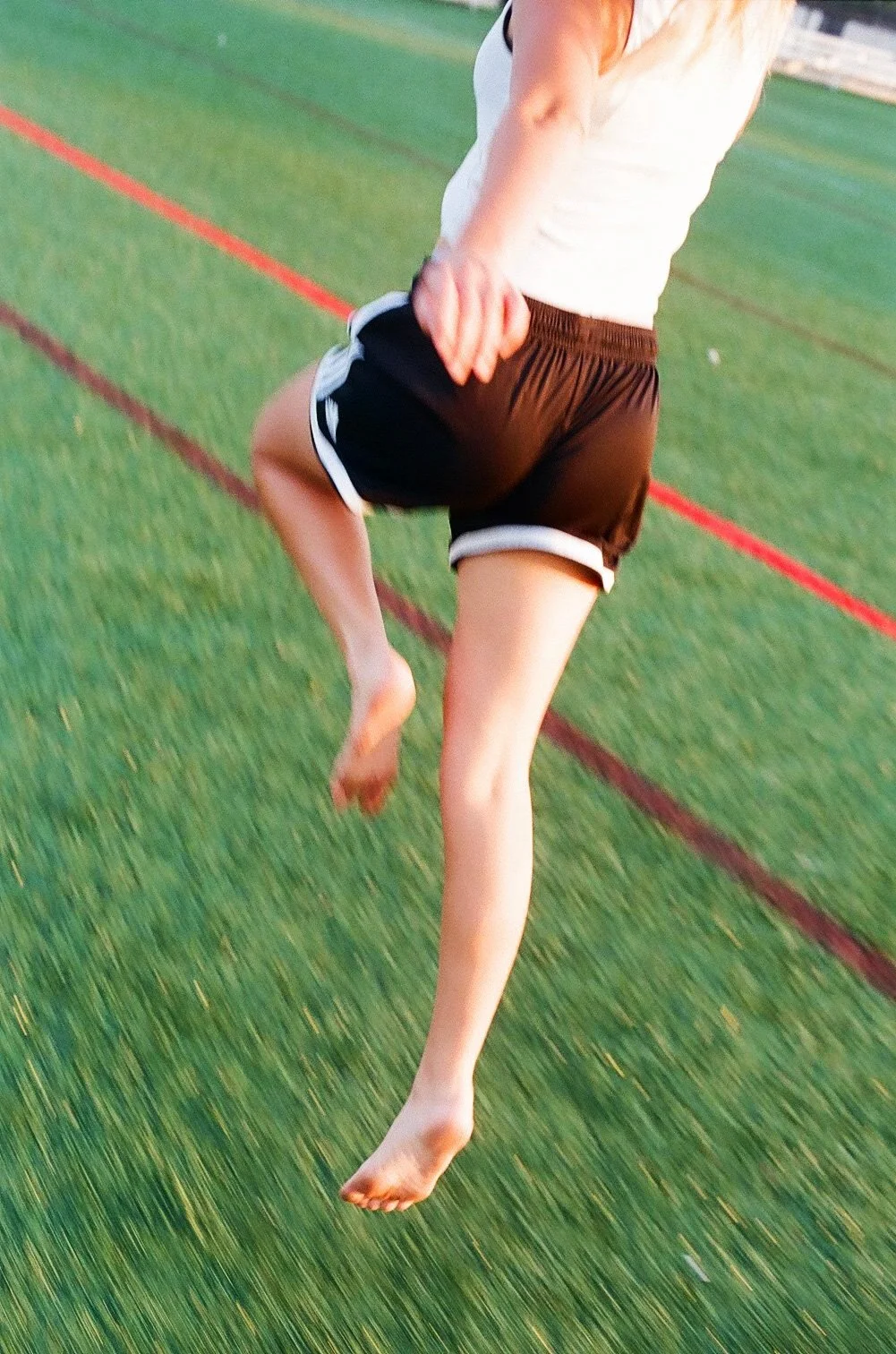
Participants brought their cameras on restful run(s) and documented their experiences, then mailed them back to me. From there, I took the film photos people shared and created the second film on this page– a compilation of several restful runs. I am not sure why, but this film felt like a good closing of the “running to practice rest” chapter.
love running for the ways it has helped me practice deep rest.
Or rather, I love intuitive running (Borden) for the ways it has helped me learn what deep rest feels like.
While rest and running might sound fundamentally contradictory, I don’t think this has to be the case. On its most immediate level, there is rest to be found in time spent outside, in listening whether it be to music or to birds, and feeling– feeling sun and wind on face; feeling connecting to landscape and to seasons, to breathing and to footfall; feeling either ease or effort.
A few steps deeper, intuitive running also gives me space to disentangle myself from the script of how I am supposed to be, creating space to simply be.
I think his is what feels restful about it. If you are willing to let go of the metrics of time and distance, then there is no correct way to be inside of a run; there is only feeling, body, movement, sometimes sweat, there is only checking in, noticing, breathing.
There is space for my mind, which is often whirring, to grow quiet. At the end of my most restful runs, I feel infinitely more connected to my vitality, my spirit, and my body than when I started.
And unsurprisingly, in disentangling myself from a linear, extractive, no-pain-no-gain kind of running, I have found other forms of linear extraction and objectification to feel increasingly dissonant. As if I have become attuned to a different way of being, and this old way feels increasingly off key.
With this in mind, I continue to pursue intuitive, restful movement, believing it to be a quiet form of resistance. Resistance against what, I am not always sure, but it feels important.